Losing weight from your arms, fat loss plus strength

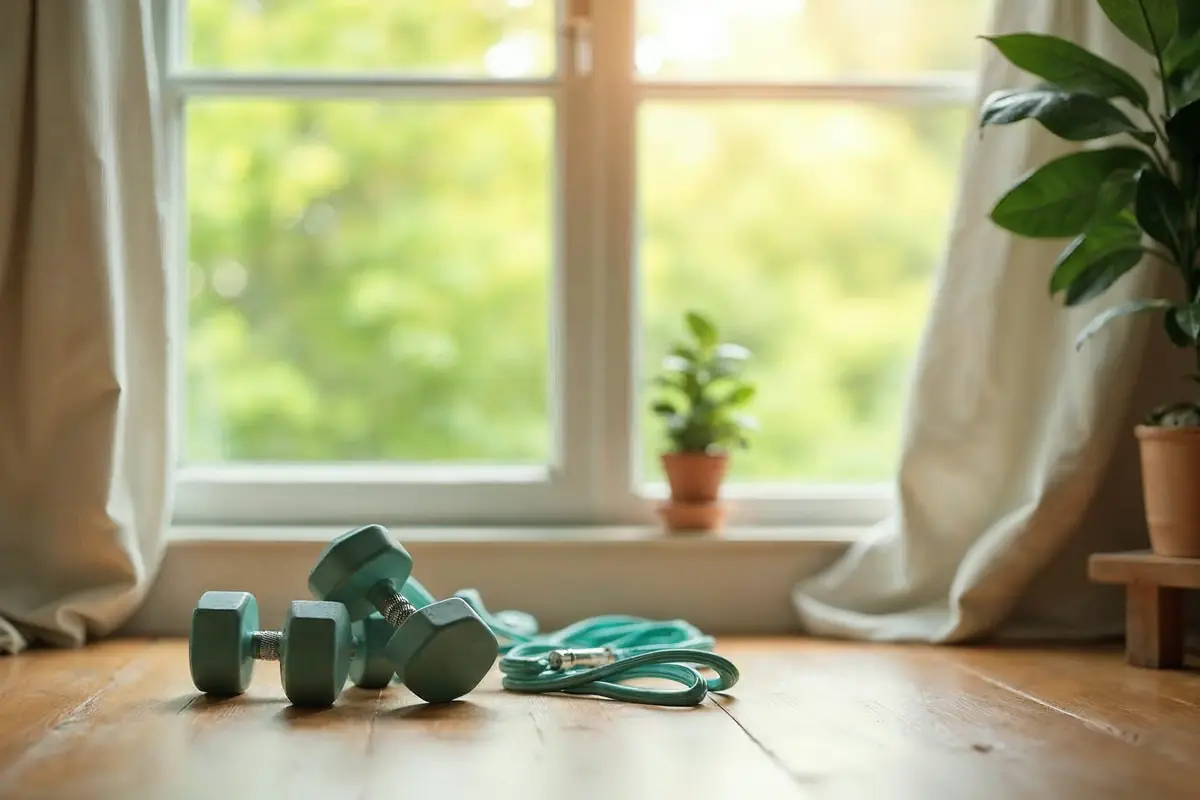
To lose weight from your arms, reduce body fat overall and strengthen the muscles of your arms. Fat does not leave from 1 spot only, but a toned arm looks firmer at the same weight. Here, muscle does much of the visible work.
A club coach looks at your situation with you and gives you the best advice.
Book your free assessmentIn this article
Why arms lose their tone
The back of the upper arm is a place where many women store a little fat. Over the years, the muscle at the back of the arm works less, because few everyday movements use it. Skin also becomes less supple. The result is an arm that looks soft, even on a slim person.
As with other areas, arm exercises do not melt the fat on your arms. Our page on stubborn fat explains why spot reduction does not work.
Muscle, the real answer
A well-used muscle fills out the arm and makes it firmer. The NHS physical activity guidelines for adults recommend strengthening activities that work all the major muscle groups, arms and shoulders included, on at least 2 days a week.
4 exercises to do at home
Several of these come from the NHS strength exercises you can do at home, which include a wall press-up and biceps curls.
- Wall press-ups. Hands on the wall at shoulder height, bend then straighten your arms. The further your feet are from the wall, the harder it gets.
- Biceps curls with a tin or a bottle. Arms by your sides, slowly bend your elbows until the weight reaches your shoulders.
- Overhead extensions with a bottle of water. Hold a full bottle behind your head, elbow pointing to the ceiling, then straighten your arm.
- Chair dips on a sturdy chair. Hands on the edge of the seat, lower yourself slowly by bending your elbows, then push back up.
Start with 2 sets of 10, 2 or 3 times a week, and add repetitions over time. If a shoulder or an elbow hurts, stop and ask your GP or a physiotherapist. Our page on getting back in shape gives more ideas for moving.
The plate that goes with it
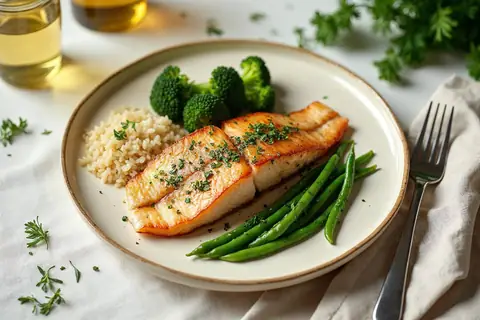
Muscle is built with protein. A little at every meal, such as eggs, fish, yoghurt, beans or lentils, works better than 1 large portion in the evening. Protein contributes to the maintenance of muscle mass. Our guide to how much protein per day gives the benchmark for your weight.
Skin after weight loss
After a large weight loss, the skin on the arms can stay a little loose. A slow loss gives it more time to adapt. If it still bothers you after a long time, your GP is the right person to talk to. This article does not replace advice from your GP or another health professional.
At Witney Nutrition Club
At Witney Nutrition Club, Rachel Clarkson and Sara work with a team of coaches trained in nutrition who support members every day. The free assessment is a good moment to talk about your goals for your arms and the rest of your body.
Your weight loss curve
Enter your profile and the curve redraws straight away.
At the median pace, it would take about 11 weeks to lose 8 kg. At the gentlest pace, about 4 months.
The benchmark most often given for lasting weight loss is 500 g to 1 kg a week. That is the ideal zone of the chart. Above 1 kg a week on a regular basis, the body draws on its muscles as much as on its fat. That is the hatched zone.
An indicative projection. Every journey is personal and results vary from person to person. The calculation runs on your device, nothing is saved or sent. Over 65, talk to your doctor first.
How this curve is calculated
The top edge of the zone matches 500 g a week, the gentlest pace. The bottom edge matches 1 kg a week, the risk threshold.
The first weeks go faster, mostly water, then the pace slows. After 40, the median curve slows gradually, because metabolism slows. For the same effort, a man usually loses weight a little faster than a woman.
The journey curve adds plateaus of a few days and small regains, as in real life. It does not predict your own journey.
This advice is general. It does not replace medical advice.
Further reading
For day to day support, see the healthy eating programme.