Losing belly fat after 40. Food, movement and sleep, the 3 levers that work together

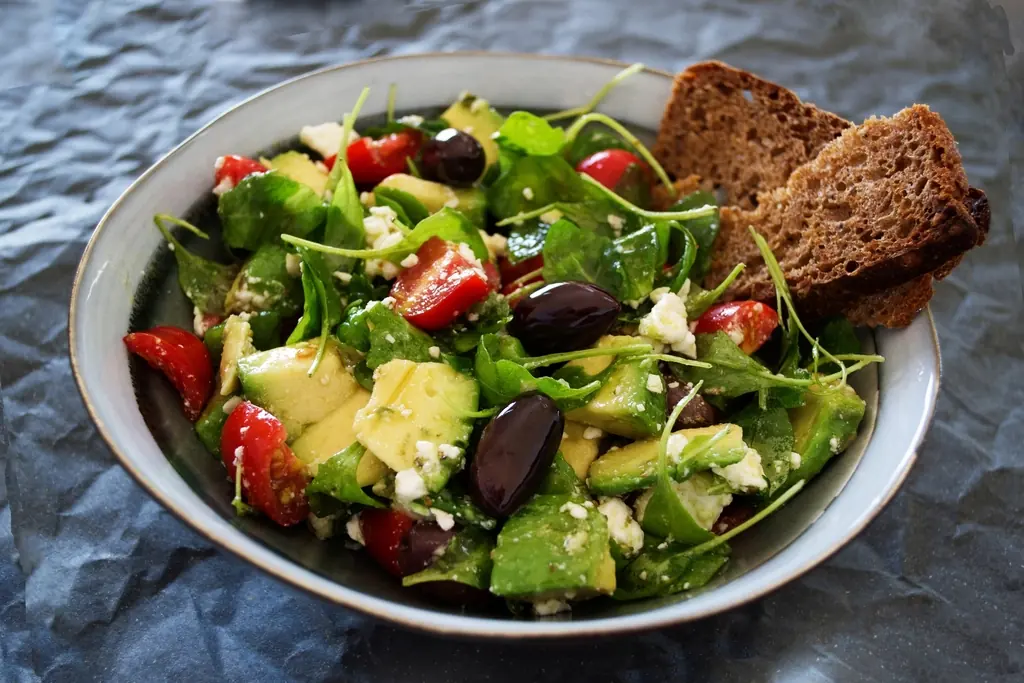
To lose belly fat after 40, combine 3 levers. A balanced plate with less alcohol and sugar, regular activity with some strength work, and better sleep and stress management. Sit-ups alone will not do it, but the 3 together make a real difference over months.
A club coach looks at your situation with you and gives you the best advice.
Book your free assessmentIn this article
Belly fat after 40, the causes
From mid-life, many people notice weight settling around the middle. Muscle slowly declines, activity often drops and stress rises. For women, the hormonal changes around the menopause move fat from the hips towards the waist. For men, the belly has often been the main store for years.
Belly fat matters for health, not only for appearance. The NHS page on overweight and obesity suggests keeping your waist size to less than half your height, and seeing a GP if it is more. Measure around your middle, halfway between your lowest rib and the top of your hips.
Foods that help with belly fat after 40
- Vegetables at lunch and dinner. Half the plate, fresh or frozen.
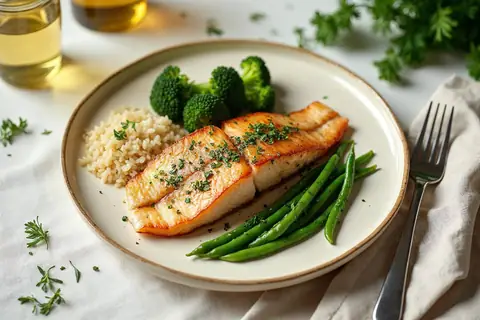
- Protein at each meal. Eggs, fish, chicken, pulses, plain yoghurt.
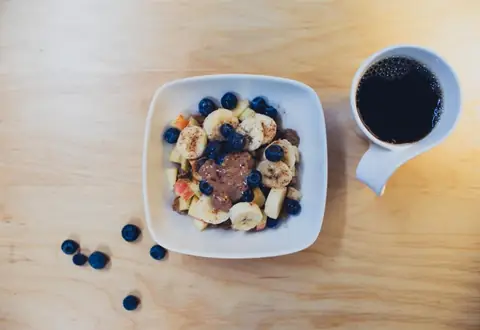
- Wholegrain starchy food. Porridge, wholemeal bread, brown rice, in steady portions.
- Healthier fats. Olive or rapeseed oil, nuts, and oily fish such as mackerel or salmon. The NHS page on fats advises at least 2 portions of fish a week, 1 of them oily.
- Less alcohol and sugary drinks. A pint of beer or a large glass of wine most evenings adds up fast. Swap some for sparkling water.
Sit-ups, walking and strength work
Sit-ups strengthen the muscles under the belly. They do not burn the fat on top, as our page on stubborn fat explains. What lowers belly fat is overall activity. Brisk walking, cycling or swimming, building up to 150 minutes a week, plus strengthening activities on 2 days as the NHS physical activity guidelines suggest. Squats, lunges and carrying shopping bags all count.
Timescale, sleep and stress
Belly fat goes down slowly, over weeks and months. Measure your waist every 4 weeks rather than checking the mirror daily.
Short nights make hunger harder to manage the next day. Our guide to sleep and weight loss explains the link. Stress pushes many people towards the biscuit tin in the evening. A walk after work, a regular bedtime and time away from screens help with both.
First steps this week
- Measure your waist and write it down.
- Add a portion of vegetables to lunch every day.
- Take a 20-minute walk on 5 days.
- Choose 2 alcohol-free evenings.
For the wider picture, read our guide to losing weight after 40.
At the club in Witney
Witney Nutrition Club also opens on Tuesday evening from 6pm to 7:30pm, for those who cannot come in the morning. Your first assessment is free.
This article does not replace advice from your GP or another health professional.
Your weight loss curve
Enter your profile and the curve redraws straight away.
At the median pace, it would take about 11 weeks to lose 8 kg. At the gentlest pace, about 4 months.
The benchmark most often given for lasting weight loss is 500 g to 1 kg a week. That is the ideal zone of the chart. Above 1 kg a week on a regular basis, the body draws on its muscles as much as on its fat. That is the hatched zone.
An indicative projection. Every journey is personal and results vary from person to person. The calculation runs on your device, nothing is saved or sent. Over 65, talk to your doctor first.
How this curve is calculated
The top edge of the zone matches 500 g a week, the gentlest pace. The bottom edge matches 1 kg a week, the risk threshold.
The first weeks go faster, mostly water, then the pace slows. After 40, the median curve slows gradually, because metabolism slows. For the same effort, a man usually loses weight a little faster than a woman.
The journey curve adds plateaus of a few days and small regains, as in real life. It does not predict your own journey.
This advice is general. It does not replace medical advice.
Further reading
For day to day support, see the healthy eating programme.